For the past few weeks, I’ve been writing and editing the exhibition texts: the object labels, introductory panels, and other writings that appear in a gallery and contextualize the pieces on display.
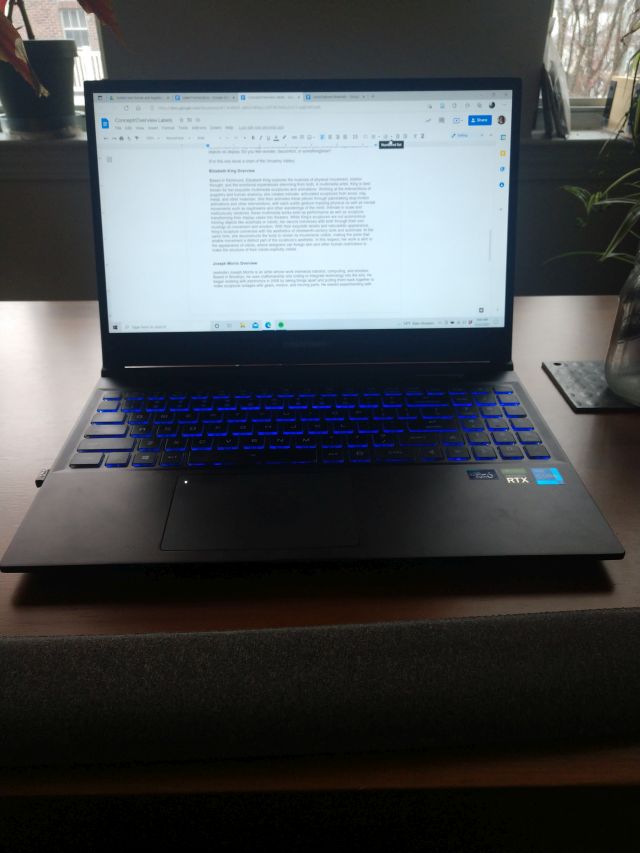
Like every aspect of this exhibition, I’ve been consciously taking a more collaborative approach compared to my previous museum work. After writing the texts and putting them through a few rounds of my own revisions, I had the museum’s staff members subsequently read through them and make edits and other suggestions. I’m also having each of the respective parties represented in the labels, from artists to undergraduate researchers, read their texts to make sure I’m representing their work accurately. I’ll then incorporate all these changes and suggestions into the final labels.
In some ways, collaborative work takes more effort than doing it on your own. On the practical level, there’s simply the challenge of working around a variety of different schedules while keeping to your own deadlines. More significantly, there’s a substantial amount of emotional labor. It takes intellectual humility to recognize a variety of viewpoints, and just as importantly, to admit when your own views are mistaken or inaccurate. Sometimes it means changing the phrasing of a text because someone else saw a more succinct way to word it. Other times it means substantially rewriting it because your interpretation wasn’t what the maker intended. Sharing your work with others is always an exercise in vulnerability, especially when you’re asked to make changes, and it’s an ongoing challenge to not see critiques as personal on some level, no matter how many times you’ve gone through the process. But the work is ultimately stronger for it.
For me, this collaborative work is part of my ongoing unlearning of previous curatorial habits. As a young professional, I was relatively defensive of my work due to my belief that I needed to set myself apart as a curatorial voice, a stance that sometimes resulted in bristling interactions with artists and other participants. There were a variety of reasons for my early professional attitude, from my lack of experience to the awareness that as a woman I was less likely to be taken seriously as a professional. Additionally, a lot of my supervisors were old-school when it came to curatorial work. They reiterated the belief that the museum’s primary commitment was to collections preservation and interpretation rather than community engagement (although as I’ve been learning from my dissertation research, museum professionals, advocates, and critics have been pushing back against that narrow definition for at least a century), and that the curator was the ultimate authority when it came to providing meaning to objects. In short, I believed that I needed to present myself as the definitive voice in order to be taken seriously.
I’ve learned a lot since those salad days, most importantly the realization that the curator as the end-all authority is a reflection of colonialist frameworks regarding the production and sharing of knowledge. My perspective is just that: one viewpoint among many. My voice, while informed through the research I’ve been doing, isn’t objective, and it isn’t superior to all others. Instead of imagining myself as the primary authority, I now see myself as a fellow learner. As a curator, I share what I’ve learned with the understanding that there will always be other insights from other voices. To reflect this stance, I’ve written a lot of open-ended questions into the labels for this exhibition, encouraging visitors to imagine how they might curate the show or interpret an object. Over the course of the show, I hope that the museum replaces or at least augments some, if not all of my labels, with texts from other people, whether they’re from other staff, volunteers, interns, or visitors.
I can’t undo the mistakes I made during my early museum career, indeed they were part of the learning experience, but I can be mindful of my working practices moving forward. Taking a more collaborative approach to writing labels won’t undue all of the harm museums perpetuate as institutions, but it’s a start. And by practicing intellectual humility instead of defensiveness, I can model a different kind of curating, one that’s less concerned with a top-down approach to knowledge sharing and one that’s more focused on listening and giving space to other voices.