Like last year, 2021 has been tumultuous. From the deeply unsettling riots on January 6th, to the endless rollouts of new corona variants, to the very real effects of climate change and the seeming inertia on the part of major corporations and governments to do anything about it, and many, many other events, this year has been set against a backdrop of stress, anxiety, and frustration. And yet, like last year, I can’t write it off entirely in terms of my professional and personal life. So today, as we wrap up another year and hope for a better one ahead, I’ll do my annual reflection on the past twelve months.
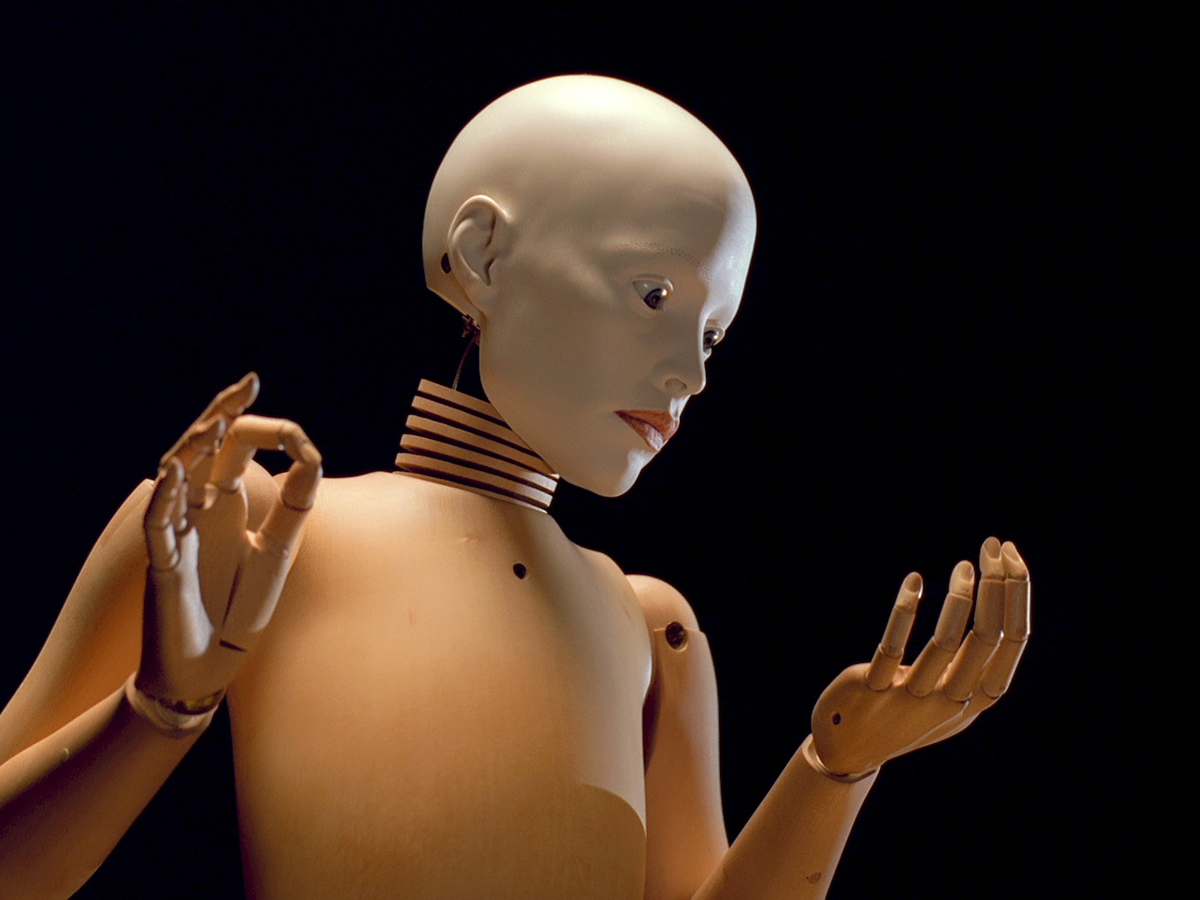
Silent stop-frame animation. 2 minutes.
In my professional life, the most exciting change has been my return to curation on a part-time basis through my exhibition work with the Barry Art Museum. Beyond providing a respite from dissertation work and a much-appreciated source of extra income, working with the Barry has reminded me why I enjoy working in museums, for all their problematic qualities. Going on studio visits, researching objects, and discussing layout with staff lets me appreciate the fun aspects of curation, while the finite hours keep me from getting mired in the inevitable institutional politics. I also really appreciate the Barry’s innovative staff and the museum’s willingness to question itself as an institution in terms of how it approaches exhibitions and programming. Through this partnership, I’m not only staying involved in the museum field, but can continue to develop and refine my personal curatorial practice in terms of values and working methods. It’s been a great opportunity for me so far, and I hope to continue the relationship after Motion/Emotion opens in February.
My work with the Equality Lab also enabled me to stay involved with the museum field through a more academic lens. Most notably, I had to opportunity to co-organize the online symposium, Museums in Times of Crisis. As someone who’s been largely detached from the effects of the pandemic on museum operations, it was gratifying to offer a platform for different professionals and activists to share their ideas and projects.

I’ve also been exploring new kinds of work through my assistantship with the Cohen Career Center, where I’ve been organizing workshops, connecting with program alumni, and meeting with students one-on-one to help them think through resumes, job applications, and other career-related questions. On a purely selfish level, this work has been important because it’s introduced me to career exploration tools that will benefit my own job searching in the future. But more importantly, I’ve found the work immensely gratifying. I admire the JDP students and enjoy providing them with the resources they need to navigate their careers, whether it’s through showing them different career exploration tools, or connecting them directly with program alumni. While I’ll most likely stay in museums given my previous experience and current work, the Cohen Career Center has made the prospect of pursuing a different career feel more plausible by helping me better identify the transferable skills I have developed through curation. For the first time since entering the museum field, I can envision myself in a different line of work, in this case career advising, and being content with that. This isn’t to say I plan on leaving the museum field, far from it, but given the uncertainty of the job market, it’s important to know that I can transition into different fields if that’s the better fit.

Brandon’s professional life has also been keeping him busy. He’s helped install new exhibitions at Colonial Williamsburg’s museums, including one dedicated to tall case clocks and another to Navajo rugs. He’s also been busy in the historic area, helping to empty the Armory for research and reinterpretation. He’s also been heavily involved with cleaning out the Hennage house, the home of two prominent donors replete with objects spanning from 18th-century furniture to bags filled with hotel matchbooks. He’s been expanding his skillset as well, with the most exciting event being a rigging workshop at the Delaware Art Museum.
Shifting back to my work, this year has also seen me get more involved in service-oriented labor. I’m currently the chair of the Chesapeake Digital Humanities Consortium, where we’re currently seeking admissions for our 2021 conference (we’re still seeking entries: read about the CFP here). I’m also serving as the graduate representative for the Advisory Board of the Space Between Society, and this past fall was a mentor with William & Mary’s student-organized DEI Mentoring Program. I’ve also been putting my curatorial experience to work by serving as an exhibition review editor for SECAC, where I read reviews intended for publication on the SECAC website and offer my assessments. Like my work with the Barry Art Museum and the Cohen Career Center, this service-oriented work has given me new opportunities to expand my skillset by getting involved in different organizations. Conversely, these new obligations are one of the reasons why this semester has felt so hectic, as it’s meant more meetings and other time commitments.

In terms of the dissertation, it’s admittedly been a bit of mixed bag, at least to me. Not that I didn’t get anything done, quite the opposite. Most significantly, I managed to get my prospectus written and approved, which was a journey unto itself. During the winter, I took some daytrips in Virginia and North Carolina to visit the archives of different extant federal art centers, research that will be useful when I get to the chapters on the Federal Community Art Center Project. Over the summer, I managed to write a preliminary draft of the first chapter. I also did some preemptive work for chapter two by going up to NYC to check out a retrospective on the Met’s Neighborhood Exhibition Program. Looking ahead, I’ve been plotting out future chapters by maintaining ongoing dialogues with archivists at different institutions I need to visit. But I’ve also been dealing with the procrastination that comes with a large project, as I think through big ideas and struggle to articulate them. I’ve also had to delay research I would have liked to have done this year on account of the pandemic’s effects on archival availability, which has honestly been rather frustrating. Shortly before the announcement of the omicron variant I started planning research travel for 2022; hopefully this latest surge won’t affect my travel plans too detrimentally.
Indeed, travel delays and cancellations, like last year, have been an ongoing theme of 2021. From postponing another Christmas in Maine to backing out of accompanying Brandon on working trips to Delaware and Charleston, I’ve spent this year canceling more trips than taking them due to a combination of the ongoing pandemic, professional commitments, and personal obligations. As someone who thrives on being able to travel and see new places, this has arguably been one of the most frustrating aspects of this past year, and one I’d rather not repeat in 2022.
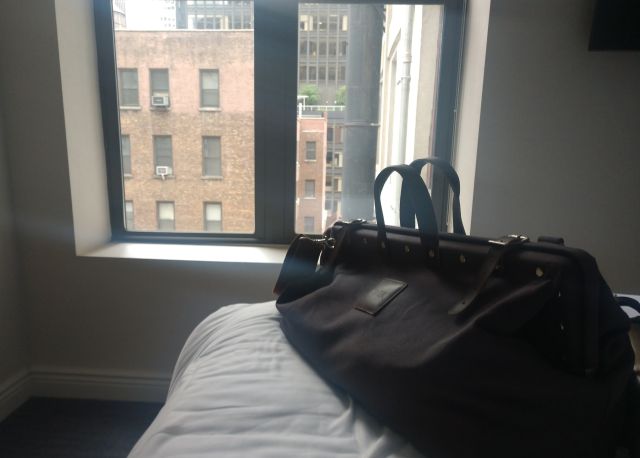
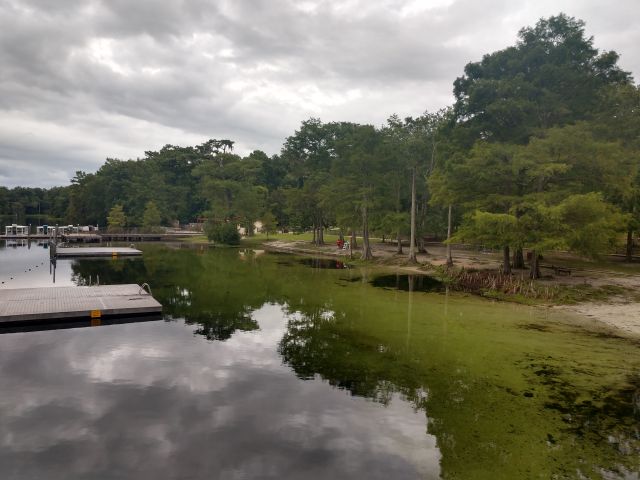
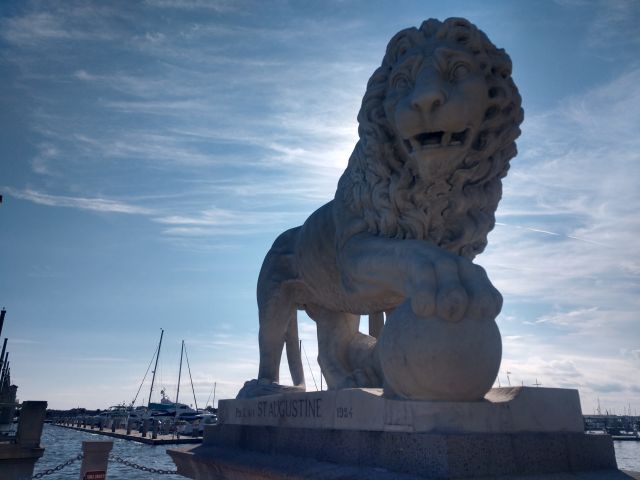
That said, I did travel more this year comparative to 2020. My June research trip to New York was my first excursion to the city in almost a decade, and it offered a welcome change in routine. During the summer, Brandon and I spent a week in Florida visiting his family in Pensacola and Tallahassee. And in October, we visited a place entirely new to both of us when we stayed in St. Augustine, following a wedding in Orlando. This last trip in particular reminded us both of how much we benefit emotionally from travel, and we plan on taking more weekend excursions next year.


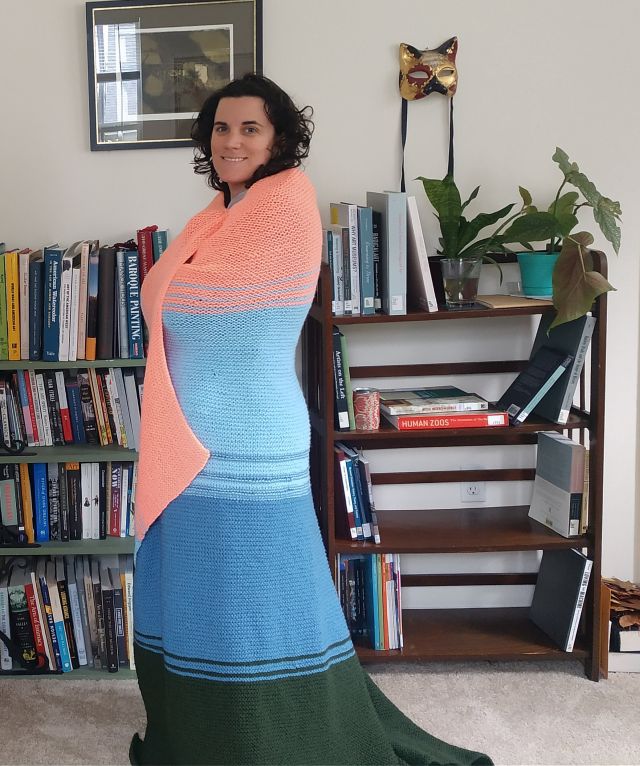
In the meantime, staying largely at home has meant time for personal hobbies. I actively worked on my sketching practice, relying less on contouring outlines and getting more comfortable with painting. I got an intaglio press from the Open Press Project and have started making drypoints again. I’ve been exploring wearable art through jewelry, making earrings and barrettes using cyanotyping or printing on clay. I didn’t get to it this year, but I hope to offer these pieces in an Etsy shop next year. And on the knitting end of things, I took on bigger projects, making two blankets.
But by far the most exciting thing that’s happened this year is this: Brandon and I became homeowners.

After realizing how much money we spent on rent and that it would be more affordable in the long run to buy, we spent the fall finding a home of our own, officially closing on November 29. We’re still in the process of moving in (expect a post sometime next month when we’re settled), but we’re both excited to start this new chapter in our lives and the opportunities and challenges that will come with it.
So for all the aggravation and stress of 2021, I can’t write off this year because too many positive, exciting things have happened for both of us. Nevertheless, I’m ready to greet the new year and its possibilities.
Here’s to 2022.
Such goal seeking energy, so widely focused! What a bundle you are, and Brandon too. Any time for your music?
You bring the complement from the past to mind, “You go, Babe!”
Admittedly I let my music go by the wayside while we were moving, but that’s one of my resolutions for the new year!
Happy New Year, Sara, and thank you for the art work. Your 2020 card is in our matching blue bedroom! Enjoy the process as it sounds like you are. The museum and art fields are evolving and perhaps hibernating for a time. But you are on a journey with a partner and a home base. Congrats.
Thanks Art! The museum field is certainly changing, and we’ll see what it looks like in a few years. But in the meantime, it’s nice to be out of the renter’s market.